

Discover the hidden thrills and soulful moments waiting for you above the clouds…
A simple temple visit is generally what is brought to mind when activities in Kedarnath are considered. But let me assure you: much more is given here—treks that get the heart moving, calm lakes, and experiences that change your life and are never forgotten. Whether the journey is approached by a spiritual person or an adventurous one (or both!), unforgettable memories are made certain by the trip to Kedarnath. Let the wonders that are waiting here be discovered. You can have a splendid journey with our Chardham Yatra by Helicopter.
| Activity | Best Month(s) | Difficulty | Duration |
| Gaurikund–Shrine Trek | May–June, Sept–Oct | Moderate–Hard | Full day |
| Morning / Evening Aarti | All open months | Easy | 30–60 min |
| Vasuki Tal Trek | June, Sept–Oct | Hard | Full day |
| Chorabari Lake | May–Oct | Moderate | Half day |
| Wildlife Walks | May–June, Sept–Oct | Easy–Moderate | 2–4 hrs |
| Helicopter Ride | May–June, Sept–Oct | Easy | 30 min total |
| Sunrise Photography | May–June, Sept–Oct | Easy | 1–2 hrs |
| Stargazing | October | Easy | Evening |
| Bhairavnath Temple | All open months | Easy | 1–1.5 hrs |
| Panch Kedar Circuit | June, Sept | Hard | 14–21 days |
1. Trek to the Kedarnath Shrine — 16 km of Living Story
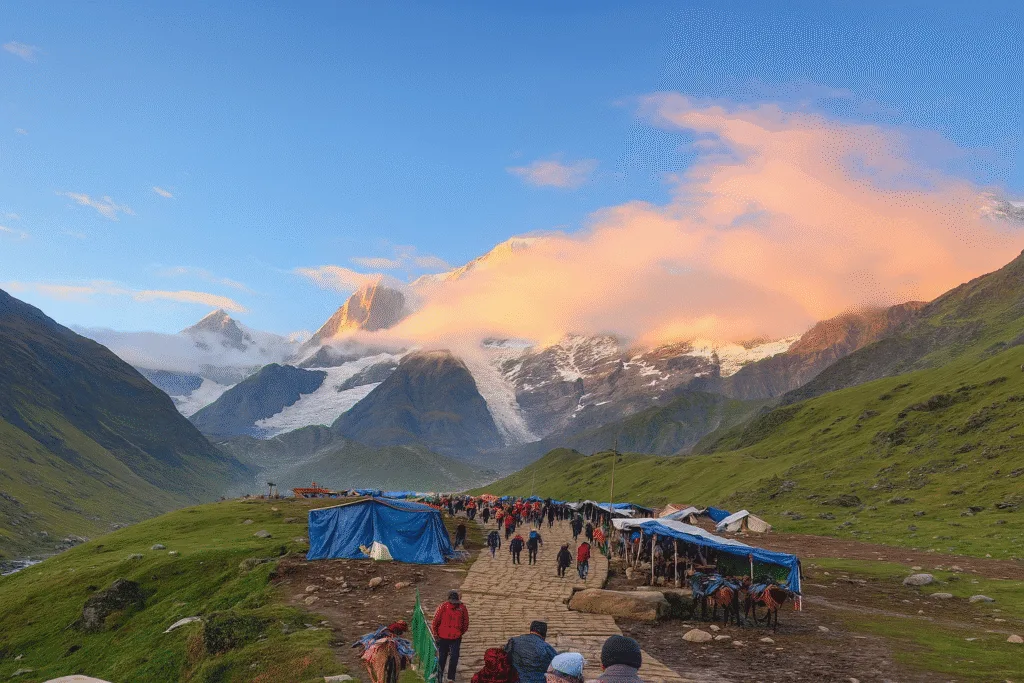
The most iconic of all activities in Kedarnath is also the most transformative: the 16 km trek from Gaurikund (1,982 m) to the shrine (3,553 m). This is not simply a walk. Every altitude gain reveals a new layer — waterfalls crashing through rhododendron forest, the river Mandakini roaring below, the sudden hush as tree cover ends and the high Himalayan world opens above you.
The trail passes through Jungle Chatti, Bheembali, Lincholi, Rudra Point, and Base Camp before the iconic first view of the stone temple against the snow-capped backdrop of the Kedarnath Peak (6,940 m). Many pilgrims report that the moment of arrival — exhausted, cold, and elated — is the most profound of their lives.
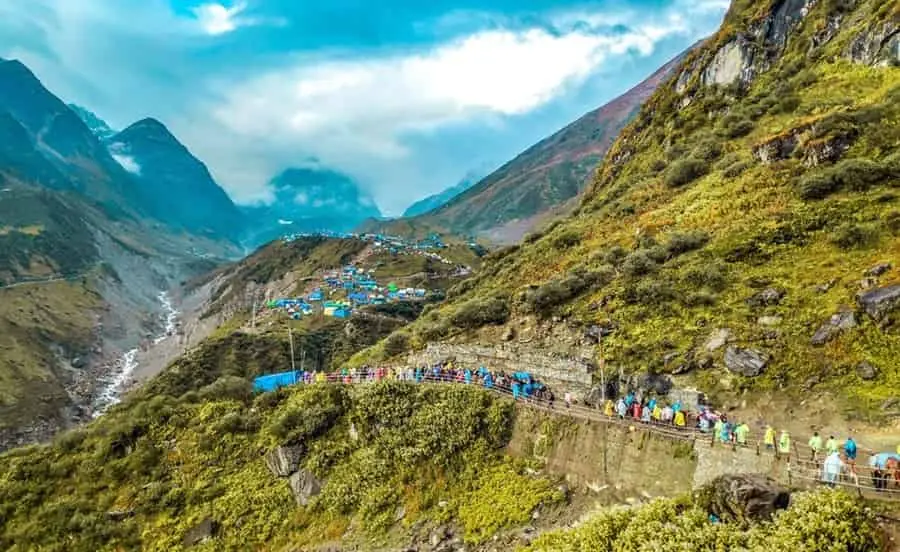
Trek at a Glance
16 km one-way
1,571 m elevation gain
6–8 hrs ascent
Moderate–challenging
Mules & palkis available
Insider Tip : Start no later than 4:30 AM from Gaurikund. This gives you the trail’s coolest hours, arrival before peak crowd, and time for a peaceful morning darshan. The midday crowds can be intense in May–June.
2026 Update
Mobile phones and cameras are
completely banned inside the temple premises
as of the 2026 yatra season. Photography is permitted on the trail and surrounding areas.
2. Attend the Aarti & Feel the Vibe—Silent Bells, Roaring Mountains
If the trek gets you there, the aarti keeps you. The morning aarti begins at 4:00 AM and the evening aarti at around 7:00 PM (timings vary seasonally). This is one of the most emotionally powerful activities in Kedarnath: thousands of voices, brass bells echoing off ice-clad peaks, the cold river wind on your face, and the smell of dhoop incense rising into the thin mountain air.
The temple is dedicated to Lord Shiva as one of the 12 Jyotirlingas — believed to be the most sacred shrines in Shaivism. The Rudra Abhishek performed during the aarti is a deeply intimate ritual, and witnessing it from inside the ancient stone temple (originally built by the Pandavas; renovated by Adi Shankaracharya in the 8th century) is something no photograph can capture.
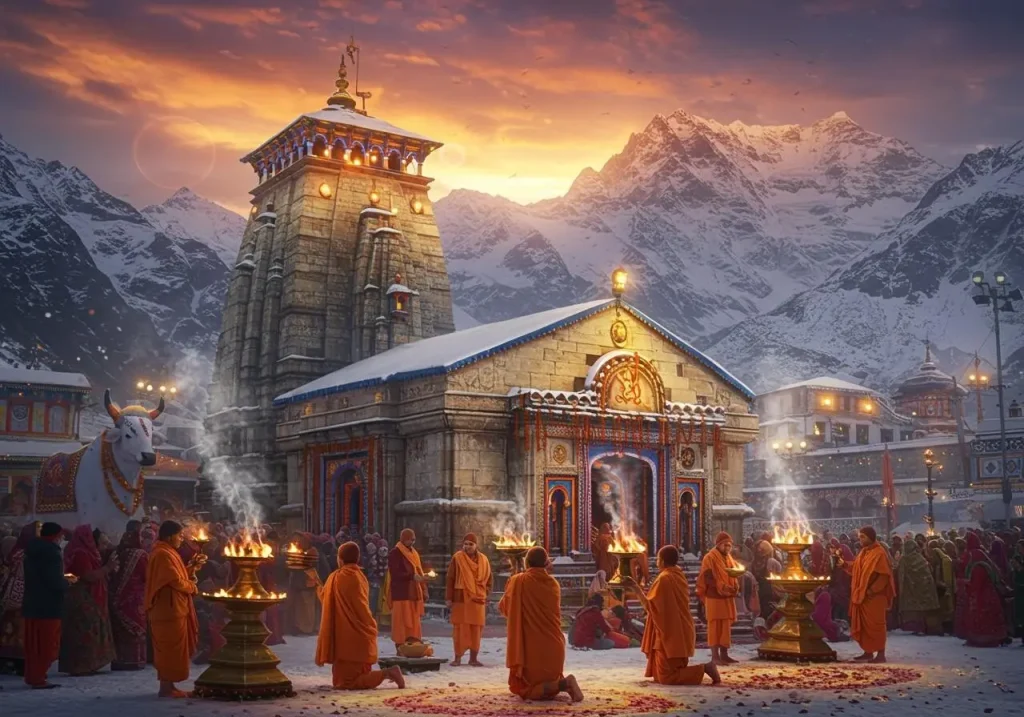
Aarti Schedule (May–October 2026)
Morning Aarti: ~4:00 AM
Evening Aarti: ~7:00 PM
Rudra Abhishek available daily
No phones inside temple
Sacred Moment Tip : Arrive 30 minutes early for the evening aarti. The fading light on the Chaukhamba massif behind the temple — just as the lamps are lit — is the single most photographically and spiritually stunning moment Kedarnath offers.
3. Vasuki Tal Trek — A Glacial Lake at 4,135 Metres
Among the more physically demanding activities in Kedarnath, the Vasuki Tal trek is a revelation. Starting from the Kedarnath shrine and climbing another ~8 km, you reach a pristine glacial lake ringed by moraines and surrounded by four-thousand-metre peaks. The lake sits in a natural bowl carved by glaciers, its water an unearthly shade of grey-green, its surface often broken by floating ice.
Vasuki Tal is believed to be the lake where Lord Vishnu rested after killing the demon Shankhasura. Very few pilgrims make it here — which means you get the silence, the scale, and the feeling of genuine wilderness that the crowded shrine area cannot offer.
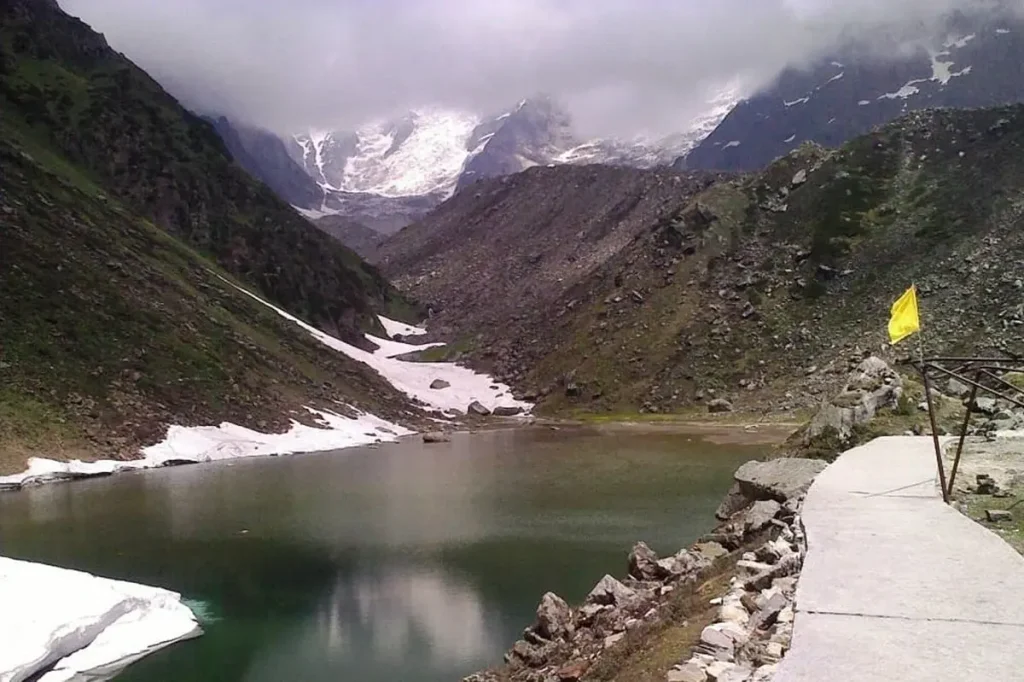
Vasuki Tal Details
~8 km from shrine
4,135 m altitude
4–5 hrs return
Forest permit required
Best: June & Sept–Oct
Guide Essential : The upper trail loses definition in places. Always hire a registered local guide from the Kedarnath base. It’s inexpensive (₹800–1,200/day) and dramatically increases safety.
4. Wildlife Sanctuary Walks — Where Faith Meets Forest
The entire Kedarnath area sits within the Kedarnath Wildlife Sanctuary — 975 sq km of some of the most ecologically significant terrain in the Western Himalayas. This means that walking anywhere beyond the main trail puts you in genuine wilderness territory, and wildlife encounters are possible at any time.
The sanctuary is home to Himalayan black bears, musk deer, bharal (blue sheep), Himalayan monal (the state bird of Uttarakhand), snow leopards at higher elevations, and over 200 bird species. The forested lower sections of the trek — particularly between Gaurikund and Jungle Chatti — are excellent for bird-watching in the early morning.
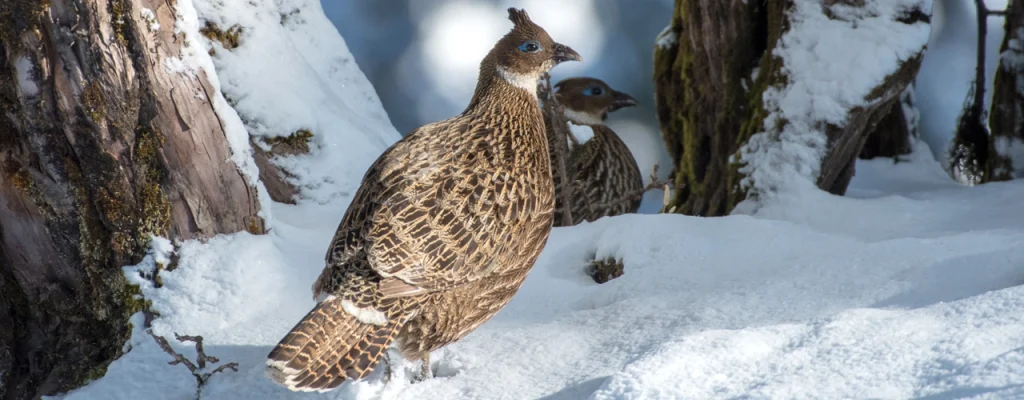
Wildlife Highlights
Himalayan black bear
Musk deer
Himalayan monal
Bharal (blue sheep)
Snow leopard (rare)
Best Zone for Wildlife
The stretch between Gaurikund and Bhimbali (roughly km 1–6) passes through temperate forest. Start at dawn, walk quietly, and keep eyes on the treeline — monal pheasants are frequently spotted here.
5. Meditation & Pranayama by the Mandakini River
The Mandakini River runs cold and fast through the Kedarnath valley, its sound a constant companion through the pilgrimage. Finding a flat rock beside it in the early morning — before the crowds arrive — and sitting in silence is one of the most quietly powerful activities in Kedarnath for those seeking inner stillness rather than adventure.
The combination of altitude, cold air, the sound of glacial water, and the sheer scale of the surrounding mountains creates conditions for meditation that practitioners describe as dramatically accelerated. Many yoga and meditation retreat operators now include a Kedarnath session specifically for this reason.
Best Spot
The river banks near Lincholi (roughly km 9 on the trek) are quieter than the main shrine area. The water is calmer here and the surrounding scenery less crowded. Arrive before 6 AM.
6. Sunrise Photography at the Temple Terrace
Even with the mobile phone ban inside the temple, the area immediately surrounding it offers one of the most photographically spectacular environments in India. The stone terrace in front of the temple, the valley below, and the ridge trails above all provide extraordinary vantage points — and the golden hour light at 3,553 m is unlike anything at lower altitudes.
The Chaukhamba massif (including peaks reaching 7,138 m) turns rose-gold at sunrise. The Kedarnath Peak itself glows with the first light. In the foreground, pilgrims in coloured shawls move through the mist. It is unambiguously one of the most remarkable visual experiences India offers.
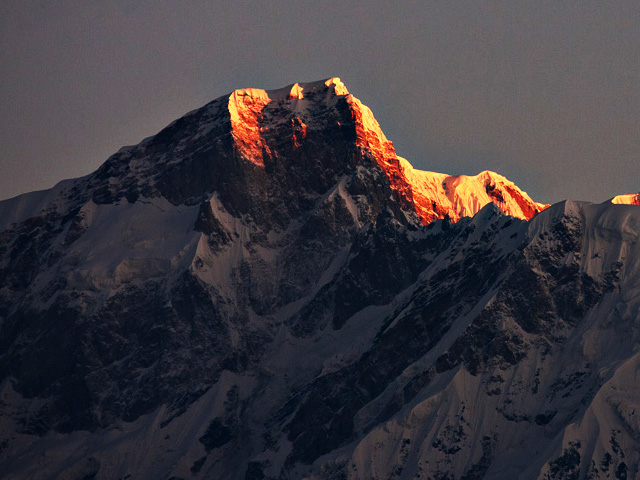
Photography Spots Near the Shrine
Temple forecourt at sunrise
Ridge above base camp
Chorabari trail (km 1–2)
Mandakini river bend
Photography Rule : Cameras and phones are BANNED inside the temple. This rule is strictly enforced in 2026. All photography must be done outside the temple boundary. Violations result in confiscation.
7. Pony, Mule & Palki Rides — Accessible Adventure
Not all pilgrims can or should trek 16 km at altitude. The pony, mule, and palki (doli — a human-carried palanquin) services are as much a part of Kedarnath culture as the trek itself. Thousands of animals and carriers make the livelihood of Garhwali families, and using these services responsibly supports the local economy while making the shrine accessible to all. Rates are fixed by the local administration each season.
2026 Approximate Rates
Pony one-way: ₹2,500–3,500
Palki one-way: ₹5,000–8,000
Fixed by local admin
Verify at Gaurikund booth
Best Time for Activities in Kedarnath
The temple is open April–November. But not all months are equal. Here’s what each window offers:
✅ May–June
Clear skies, all treks accessible, helicopter smooth. Peak crowds but best conditions overall.
🌧 July–August
Monsoon. Trails slippery, landslide risk. Trek possible but challenging. Not recommended for first-timers.
❌ November–April
Temple closed. Heavy snow. All access routes shut.
✅ September–October
Post-monsoon greenery. Thinner crowds. Crystal-clear skies for photography. Best for Vasuki Tal.
Key 2026 Updates for Kedarnath Visitors
Temple opened 22 April 2026 — the 2026 yatra season is underway.
Mobile phone & camera ban strictly enforced inside the temple premises from 2026.
Online Char Dham Yatra registration is mandatory — complete this before travel at the official Uttarakhand tourism portal.
Ropeway (Sonprayag–Kedarnath) is under construction and will dramatically reduce journey time when operational — check current status before booking.
Record pilgrim numbers expected — the 2026 season saw over 11.4 lakh visitors in 48 days. Book accommodation and helicopter seats well in advance.
SDRF (State Disaster Response Force) has increased presence on the trail — improved safety and rescue coverage.
Summary
Activities in Kedarnath make the visit much more meaningful than a simple holiday, as every such moment spent becomes an experience retained by the soul. From the long trek to the holy shrine, to the quiet glacial lakes, the wild forests, and the modern access upgrades of 2026, memorable moments will be presented at every turn. The sound of bells will come, the cool air will greet your skin, other travelers will greet you, and peace will be taken in deep within the Himalayas.If you’re planning with LIH Travel, we’ll tailor it: pick the right season (May–June or Sept–Oct), choose the level of trek that suits you, add extras like lakeside hikes or full-on wilderness walks. And we’ll make sure you don’t just visit Kedarnath — you experience it.
About the Author — Himanshu Mendiratta
Himanshu is a senior travel curator at Leisure India Holidays (LIH Travel), India’s leading inbound tour operator serving 5,000+ travellers annually from the US, UK, Australia, Europe, and beyond. He has personally trekked the Kedarnath route multiple times and specialises in Char Dham and Himalayan pilgrimage itineraries.