

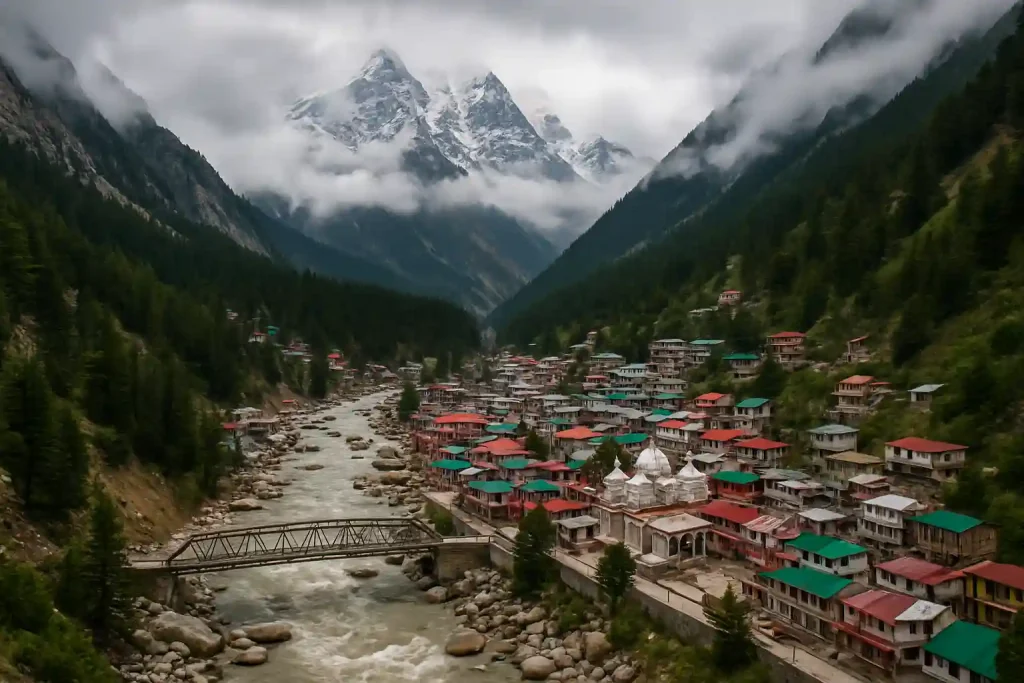
Tucked away in the sacred folds of the Garhwal Himalayas at an elevation of over 3,048 metres (10,000 feet) above sea level, Gangotri is far more than a pilgrimage destination — it is a living testament to the raw, uncompromising power of the mountains. Home to the revered Gangotri Temple, the spiritual source of the holy River Ganga, this sacred town draws hundreds of thousands of pilgrims and trekkers every year from across India and abroad.
But before you pack your bags, there is one thing that will make or break your entire journey: the weather in Gangotri.
Unlike most hill stations where seasons are a matter of scenic change, in Gangotri, the season determines whether you can visit at all — whether the temple gates are open, whether the road is passable, or whether you’ll be greeted by golden alpine meadows or a blinding snowstorm. Understanding Gangotri weather month by month is not just helpful — it is absolutely essential for safe and meaningful travel.
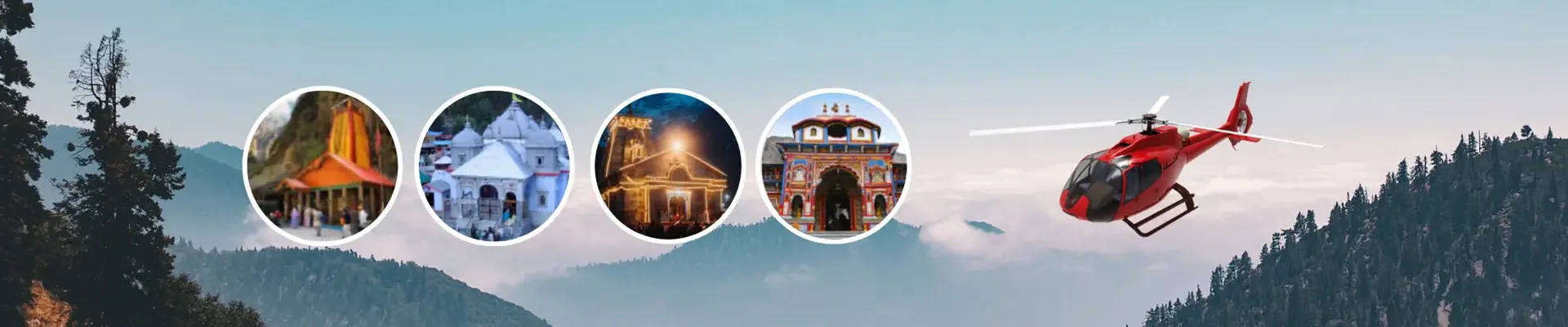
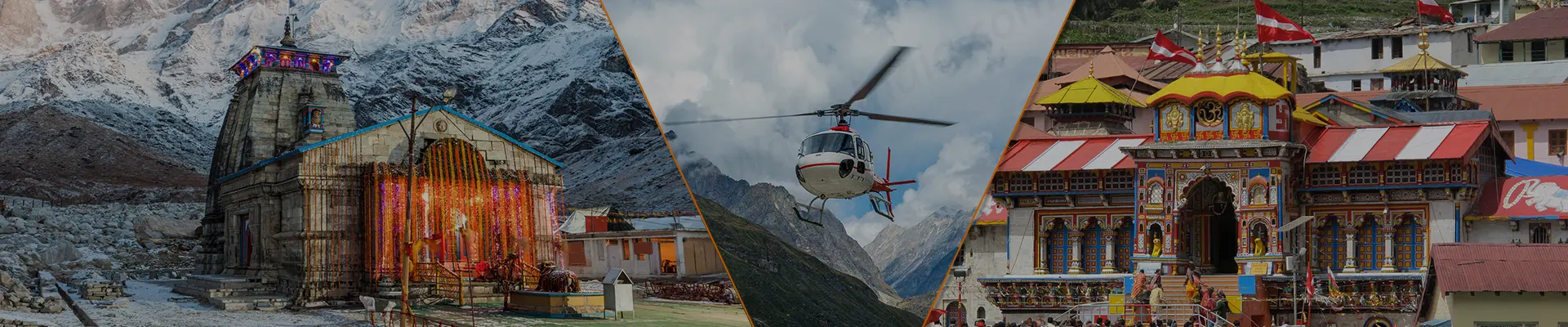
Planning to visit all four Char Dham shrines in comfort? Explore our Chardham Yatra by Helicopter packages — the most elegant and time-saving way to complete your divine yatra in 2026. Or if you wish to visit Kedarnath and Badrinath, our Do Dham Yatra by Helicopter is designed for those seeking spiritual depth without the physical strain of mountain roads.
You can choose Chardham Heli Yatra to visit here.

It is never normal weather in Gangotri at this altitude. The sun might be shining one moment, and within a few minutes, clouds move in or the winds turn ice-cold. Snow, rain, and completely unpredictable temperature fluctuations are all included in the package here. Which explains why the weather in Gangotri is as vital as the details of the dates that the temple is open through weather reports.
Why Weather in Gangotri Is Different from Other Hill Stations
At 3,048+ metres, Gangotri sits above the treeline in a high-altitude Himalayan zone where weather patterns are governed not by seasons alone but by altitude, glacial winds, the monsoon trough, and the Western Disturbances from Central Asia.
What this means practically:
The Gangotri Temple is open for only about 6 months a year (typically May to November)
Temperatures can swing from a pleasant 20°C during a sunny afternoon to a bone-chilling -5°C by the same night
Roads remain snowbound and inaccessible from late November through late April
Monsoon landslides make travel actively dangerous from mid-July to mid-September
Wind speeds near the Bhagirathi Gorge can be severe even in summer
This is why most experienced pilgrims and trekkers plan their visit very carefully — and many choose the aerial route via helicopter to avoid road-based uncertainties entirely.
Gangotri Weather Month by Month (2026 Guide)
January & February — Deep Winter, Temple Closed
These are the harshest months at Gangotri. The entire valley lies buried under 4–8 feet of snow. Daytime temperatures hover between -5°C and 2°C, while nights plunge to -15°C or lower. The Gangotri Temple is firmly closed, the roads from Uttarkashi are snow-blocked, and even the army and ITBP personnel stationed nearby operate on minimal presence.
Visiting in January–February: Not possible for tourists.
March — Late Winter, Very Cold
March brings slightly longer days, but the valley remains deeply cold and largely inaccessible. Snow begins to soften in the lower stretches near Uttarkashi, but Gangotri town and the approaches remain under heavy snow cover. Road clearance work begins by state authorities from mid-March onward.
Visiting in March: Not recommended. Travel only possible up to Bhatwari or Harsil in ideal conditions.
April — Spring Begins, Roads Open
By mid to late April, the Border Roads Organisation (BRO) clears the National Highway 108 towards Gangotri. Daytime temperatures rise to 10–15°C, though nights remain frigid at 0–5°C. Pilgrimage preparations begin in earnest across Uttarakhand, and the sacred idol of Goddess Ganga is carried from Mukhba village back to Gangotri.
The Gangotri Temple typically opens on Akshaya Tritiya (late April to early May in 2026). This marks the beginning of the pilgrimage season.
Visiting in April: Possible from late April. Ideal for early-season travellers who don’t mind cold nights.
May & June — Peak Season, Ideal Weather
This is undisputedly the best weather in Gangotri for 2026. Days are bright, clear, and comfortably warm — temperatures range from 10°C to 22°C — making it perfect for temple darshan, glacier treks, and nature walks along the Bhagirathi River. The valley bursts into bloom with Himalayan wildflowers, and the river runs a vivid turquoise-blue fed by snowmelt.
The trek to Gaumukh Glacier (the actual source of the Ganga, 18 km from Gangotri) is best done in May and June when the route is safe and well-trodden. Adventure trekkers heading further to Tapovan also prefer this window.
This is also when most Char Dham pilgrims visit Gangotri, either by road or by choosing our premium Chardham Yatra by Helicopter (5 Nights / 6 Days | Starting from ₹2,30,000 per person). The helicopter yatra covers all four Char Dhams — Yamunotri, Gangotri, Kedarnath, and Badrinath — in a single comfortable itinerary, entirely bypassing treacherous mountain roads.
Visiting in May–June: Highly recommended. Best overall weather and temple experience.
July & August — Monsoon Season, Caution Required
July brings the Indian Southwest Monsoon sweeping up the Bhagirathi valley, transforming the landscape dramatically. Waterfalls cascade down every cliff face, the hillsides turn an intense emerald green, and the Bhagirathi River roars with force.
However, the weather in Gangotri during monsoon is hazardous for travel:
Temperatures drop to 10–15°C with heavy cloud cover
Landslides and rockfalls on NH-108 are frequent and can block roads for hours or days
Visibility is often poor, making trekking unsafe
Flash floods have been reported in the Bhagirathi valley
Gaumukh trek is officially discouraged during July–August
Most experienced pilgrims avoid Gangotri during this period. If you must travel, carry rain gear, check road conditions daily via the Uttarakhand Traffic Police helpline, and avoid solo trekking entirely.
Visiting in July–August: Generally not recommended. Travel if you are experienced and flexible with itinerary.
September — Post-Monsoon, Hidden Gem
September is one of Gangotri’s most underrated windows. As the monsoon withdraws, the skies clear and the valley retains all the lush greenery of the rainy season without the dangerous rains. Temperatures hover between 10°C and 18°C, crowd levels drop significantly after the peak pilgrimage rush, and the light is extraordinarily beautiful for photography.
Road conditions improve notably by the second week of September. The Gaumukh trek reopens, and the views of the Gangotri Glacier under clear blue skies are simply breathtaking.
Visiting in September: Excellent, especially for photographers, trekkers, and those who prefer peaceful darshan.
October — Autumn, Temple Closes
October brings the onset of winter back to the high Himalayas. Days remain passable (10–15°C) but nights turn genuinely cold (0–5°C). The temple season draws to a close — typically around Diwali (late October / early November in 2026) — when the Gangotri Temple is ceremonially closed and the idol of Goddess Ganga is moved back to Mukhba village for the winter.
Early October is still a good time to visit if you’re comfortable with cold and want to experience the pre-winter Himalayan landscape.
Visiting in October: Good for first half; temple closes in late October. Plan accordingly.
November & December — Winter Returns, Temple Closed
From mid-November onward, Gangotri re-enters its long winter sleep. Roads become dangerously icy, snowfall intensifies, and the town is largely deserted save for a few army personnel. Temperatures drop well below zero at night.
Visiting in November–December: Not possible for general tourists.
| Month | Temp Range | Conditions | Suitable for Visit? |
|---|---|---|---|
| January | -15°C to 2°C | Heavy snow, closed | ❌ No |
| February | -12°C to 3°C | Heavy snow, closed | ❌ No |
| March | -5°C to 8°C | Snow melting, roads closed | ❌ No |
| April | 5°C to 15°C | Temple opens late April | ✅ Late April only |
| May | 10°C to 22°C | Peak season, ideal | ✅ Highly Recommended |
| June | 10°C to 22°C | Peak season, ideal | ✅ Highly Recommended |
| July | 10°C to 15°C | Monsoon, landslides | ⚠️ Not Recommended |
| August | 10°C to 15°C | Heavy monsoon | ⚠️ Not Recommended |
| September | 10°C to 18°C | Post-monsoon, clear | ✅ Recommended |
| October | 5°C to 15°C | Temple closes late Oct | ✅ Early October |
| November | -5°C to 5°C | Temple closed | ❌ No |
| December | -10°C to 0°C | Deep winter | ❌ No |
Best Time to Visit Gangotri in 2026
The best time to visit Gangotri in 2026 is:
Primary Window: May to June — perfect weather, temple fully open, treks accessible, peak spiritual energy with festival atmosphere.
Secondary Window: September to early October — post-monsoon serenity, lush landscapes, cooler temperatures, far fewer crowds.
Avoid July and August due to monsoon hazards. Avoid November through April due to road closures and sub-zero temperatures.
Planning Your Gangotri Visit: Road vs. Helicopter
The traditional road route from Haridwar to Gangotri covers approximately 280 km and takes 9–11 hours one way, passing through Rishikesh, Uttarkashi, and Bhatwari. While the journey is scenic, it can be physically exhausting — and during peak season or monsoon, roads are frequently congested or blocked.
For devotees who value comfort, safety, and time, our helicopter yatra packages offer an unmatched alternative:
Chardham Yatra by Helicopter 2026 — Cover all four Char Dhams (Yamunotri, Gangotri, Kedarnath & Badrinath) in just 5 Nights / 6 Days. Packages start from ₹2,30,000 per person. Ideal for families, senior citizens, and those on a tight schedule.
Do Dham Yatra by Helicopter 2026 — A focused yatra covering Kedarnath and Badrinath, available as a Same-Day or 3N/4D package. Starting from ₹1,35,000 per person (inclusive of taxes). Perfect for those who have limited time or have already visited Yamunotri and Gangotri.
Both packages include helicopter transfers, premium hotel stays, VIP darshan facilitation, and dedicated ground support — ensuring your spiritual journey is uninterrupted by weather delays or road closures.
Essential Packing Tips for Gangotri Weather
For May–June (Peak Season):
Layered warm clothing: fleece, a windcheater, and a down jacket for evenings
Sturdy trekking shoes with ankle support
Sunscreen (SPF 50+) and UV-protection sunglasses — UV exposure is intense at altitude
Rain cover for your bag (afternoon showers are common even in peak season)
Personal medication and altitude sickness tablets (Diamox — consult your doctor)
For September–October (Shoulder Season):
Heavier woolens and thermal underlayers
Waterproof trekking boots
Balaclava or woollen cap for nights
Powerbank (cold reduces battery life sharply)
For All Seasons:
Cash (ATMs in Gangotri are unreliable)
Sufficient drinking water (or purification tablets)
Emergency contacts including the Uttarkashi District Emergency Helpline
Altitude & Health: Important 2026 Advisory
At 3,048 metres, mild altitude sickness (AMS — Acute Mountain Sickness) is a real possibility, even for healthy adults. Symptoms include headache, nausea, fatigue, and shortness of breath.
Recommendations:
Acclimatise for one night at Uttarkashi (1,158 m) or Harsil (2,620 m) before reaching Gangotri
Avoid strenuous activity on the first day at altitude
Stay well hydrated and avoid alcohol
Descend immediately if symptoms worsen — do not ascend further with AMS
For senior pilgrims or those with cardiac, respiratory, or knee conditions, the helicopter option remains the safest and most comfortable way to complete the Char Dham Yatra. Learn more about our tailored accessibility support on the Chardham Yatra by Helicopter page.
The Spiritual Experience Across Seasons
Each season in Gangotri offers something irreplaceable:
Summer brings the temple alive with the sound of bhajans, the fragrance of incense on cool mountain air, and the collective energy of thousands of pilgrims walking the ghats along the Bhagirathi. The annual Gangotri Temple Opening Ceremony (Akshaya Tritiya 2026) is a particularly auspicious and moving occasion to witness.
September offers meditative solitude — the crowds have thinned, the mountains are freshly washed, and the sound of the river fills every quiet corner of the valley. Many spiritual seekers specifically choose September for extended meditation and sadhana near the temple.
October has the unique energy of farewell — the last days before the temple closes carry a poignant devotion, and the closing ceremony (Yatra Samapan) when the idol is carried in procession to Mukhba is a remarkable spectacle.
Frequently Asked Questions: Weather in Gangotri 2026
The temple is expected to open on Akshaya Tritiya, likely in late April 2026. The exact date will be announced by the Char Dham Devasthanam Management Board. Check official notifications closer to your travel date.
Light rain is manageable, but heavy monsoon rain (July–August) creates real landslide and flash-flood risk. Avoid Gangotri in peak monsoon unless you are an experienced mountain traveller with a flexible itinerary.
By road, the journey can be physically demanding at altitude. We strongly recommend the Chardham Yatra by Helicopter for senior pilgrims — it eliminates mountain driving, minimises physical exertion, and includes hotel accommodation with all assistance.
January is the coldest month, with temperatures frequently dropping to -15°C at night. The area is completely inaccessible to tourists from November through March.
If visiting by road, allow 3–4 days (including travel from Haridwar/Rishikesh). If you’re on the helicopter yatra, Gangotri darshan is typically completed within a day as part of the complete Chardham Heli Yatra itinerary.
Final Thoughts
Gangotri is one of those rare places where the journey is as sacred as the destination — and where nature itself seems to be part of the pilgrimage. But to experience it fully, timing is everything.
Visit between May and June for the most complete experience: temple open, weather cooperative, the valley radiant with mountain energy. Or choose September for a quieter, more contemplative communion with the Himalayas.
Whatever season you choose, the sight of the Bhagirathi River cascading silver-white from the Gangotri Glacier, with the temple’s white spire rising against snow-capped peaks — that image will stay with you forever.
Ready to plan your Gangotri pilgrimage in 2026?
Explore our premium helicopter yatra packages and let us take care of every detail — from VIP darshan to luxury accommodation in the mountains:
Chardham Yatra by Helicopter 2026 — All four Dhams in 5N/6D from ₹2,30,000 per person
Do Dham Yatra by Helicopter 2026 — Kedarnath & Badrinath Same-Day or 3N/4D from ₹1,35,000 per person