

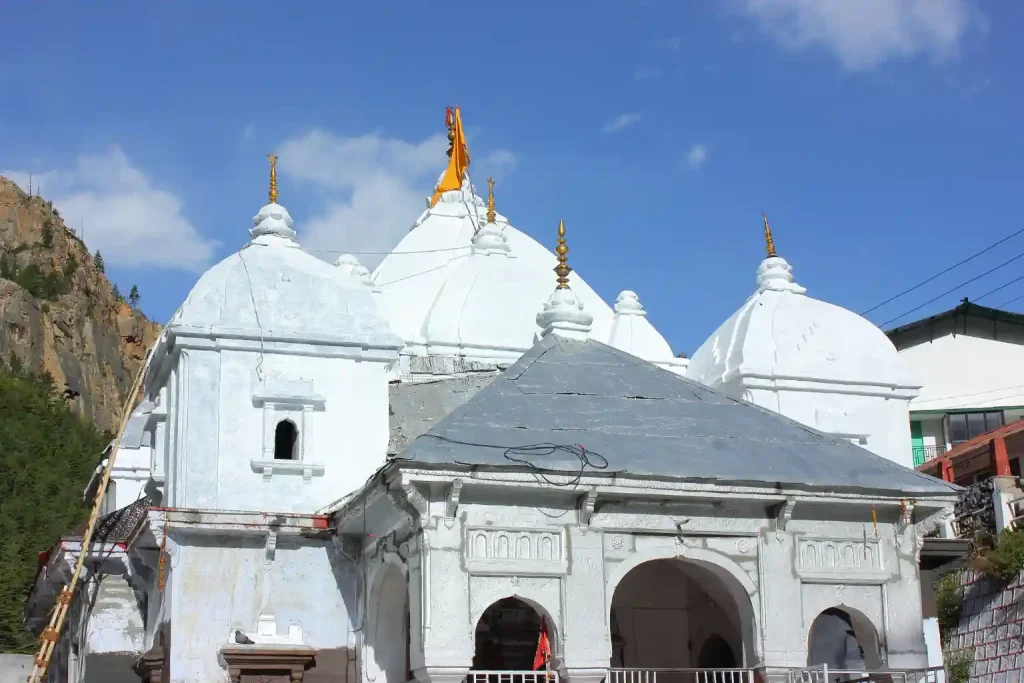
Yamunotri sits quietly in the Garhwal Himalayas, a place where the sacred River Yamuna first touches the earth. The temple, the glacier, and the sharp fresh air together create a feeling that’s hard to put into words — peaceful, pure and emotional but up here the weather is a daily companion. It can make your journey slow, surprise you with sudden rain or sun, and it decides how the people living in this small mountain world go about their routines. Everything moves with the mountains and the sky — including your trip.
In this piece I would like to take notes regarding what the weather in Yamunotri is like seasonally, what you can expect on a daily basis, advice in case you do plan to go there, and how the climate influences life there. If you are planning a spiritual journey, you can also visit our tour packages like Chardham Yatra by Helicopter and Do Dham Yatra.
1. Summer (April to June)
It is the pilgrims’ season. The temperature is increasing but is still cool due to the mountains. Roads are open and trekking becomes easy. Weather in Yamunotri during summer is pleasant.
| Month | Avg Temperature | Weather Conditions |
| April | 10°C – 20°C | Cold in mornings, mild during the day |
| May | 12°C – 22°C | Pleasant, good for trekking |
| June | 15°C – 25°C | Warm days and cool nights |
Tips:
- Carry light woolens cloths for mornings and evenings.
- Summer is the best time as heavy snow melts.
- Clear weather in Yamunotri gives a good sightseeing experience.
2. Monsoon (July to September)
Monsoon rains wash away Yamunotri. The Yamunotri weather is slippery and wet as landslides are possible during heavy rain. Trekking is not safe.
| Month | Avg Temperature | Weather Conditions |
| July | 14°C – 22°C | Rain showers, slippery routes |
| August | 13°C – 21°C | Heavy rain chances |
| September | 12°C – 20°C | Rain dwindles, clouds remain |
Tips:
- Carry rain coat and water-proof footwear for Yamunotri Weather.
- Monsoon is not a ideal season to visit Yamunotri. Safety first.
3. Winter (October to March)
Winters are very cold in Yamunotri as there is all over snow on the mountains, and weather in Yamunotri is extremely cold.
| Month | Avg Temperature | Weather Conditions |
| October | 5°C – 15°C | Cool, lesser rainfall |
| November | 0°C – 10°C | Cold, snow may arrive early |
| December | -5°C – 5°C | Snow heavy, extremely cold |
| January | -7°C – 3°C | Freezing temperature |
| February | -5°C – 5°C | Snow persists, cold winds |
| March | 0°C – 10°C | Snow recedes, still cold |
Tips:
- Roads are closed very often because of snow.
- Heaving woolen gloves, and boots are necessary.
Where is Yamunotri—altitude and geography
Familiarity with the weather in Yamunotri starts with awareness of some common facts. It is a sacred dham located within the district of Uttarkashi of the state Uttarakhand in the higher Himalayas. It is about 3,290–3,300 meters from sea level that the temple is situated, but the source of the river Yamuna is higher up, on the Champasar glacier, at about 4,421 meters.
Because of such an increase and hilly land, weather in Yamunotri is virtually chillier than for the plains throughout the year, typically varying erratically, with standard fluctuations, harsh nighttime chill, and possibility for rainfall, snowfall, or sunshine to fluctuate seasonally.
Yamunotri daily weather
Here are a few typical trends you can expect for daily weather in Yamunotri.
- Temperatures: Yamunotri day temperatures, even on bright sun days, are usually cool or moderate—normally 10-20°C during summer and much lower at night. Yamunotri night temperatures come down to very low temperatures, even close to zero in winter.
- Rain and snow: Yamunotri receives rain during monsoon (July-August), but with occasional thunderstorms or late monsoons. Snowfall may occur at other destinations during winter.
- Cloud cover and humidity: Quite humid fairly often in wet times with lots of cloudiness. In the dry spells, days are clearer, but nights are cold.
- Wind and UV: Wind is harsh, particularly at higher elevations. UV radiation is more powerful in the air of mountains when the sun is shining, so while cool, the sun may be intense.
Seasonal breakdown of weather in Yamunotri
Let’s see how the weather in Yamunotri fluctuates in a year.
| Season | Months | Weather in Yamunotri | What you can expect / caution |
| Winter | November → March / April | Extremely cold, heavy snow, frosts, nights generally well below freezing, snow on trails, temple closed for safety / pilgrimage. | Travel is challenging; only seasoned trekkers or locals get through. Warm gear and snow equipment are a must. Remain informed about weather alerts. |
| Spring | April → May | Weather gets warm, snow thaws, pleasant days, nights still cold. Likelihood of isolated showers. Yamunotri temple is accessible now (typically during Akshaya Tritiya) as snow dissipates. | Reasonable time to visit; daylight is powerful; morning and night are still chilly. Wear layers. |
| Summer / Pre-Monsoon | June → mid-July | Mild in the daytime, cold in the night. June is typically one of the best months: clear weather, quite pleasant weather for trekking or pilgrimage. | Best time. But after monsoon starts, it is less reliable. |
| Monsoon | Mid-July → August | Rain, heavy rain, scattered thunderstorms; possibility of landslides; cloud cover; slippery roads. Yamunotri weather is wet and even risky. | Travel becomes impacted. Trekking routes can be closed; roads can be blocked. Not so good for light-hearted tourists. |
| Post-Monsoon / Autumn | September → early November | Weather in Yamunotri becomes better. Days are nice, nights are becoming cold. Cloud cover decreases. Great views as clouds evaporate. Most pilgrims like this time. | A great time. Nights get very cold as November approaches. Weather might become unseasonal, so keep watchful. |
Best Time to Visit Yamunotri in 2026
- Primary window: May to June — The ideal combination of good weather, open temple, accessible trekking routes, and the full spiritual atmosphere of the peak pilgrimage season. May is marginally better than June due to lower pre-monsoon instability.
- Secondary window: September to early October — Perfect for those who prefer solitude, lower prices, and the serene beauty of post-monsoon Uttarakhand. Crowds are a fraction of peak season.
- Avoid: July and August — Monsoon hazards make travel genuinely risky and road closures can trap you unexpectedly.
- Avoid: November through March — The region is either closing, closed, or deep in winter inaccessibility.
Travel planning tips as per climate in Yamunotri 2026
In case you are planning to travel to Yamunotri, here’s some advice based on weather:
- The latest predictions should be verified just before you are going to start. Yamunotri weather is capricious.
- Travel in late spring (April-May) or fall (September-October), if possible—the best, ideal times.
- Travel during monsoon (July-August) and rain; mud, slippery paths, and likely disruption or even cancellation are to be expected.
- Wear warm clothes even during summer travel—fleece, wool, windproof layer. Night becomes chilly.
- Rain gear: pack raincoat, good shoes with grip, possible trekking poles.
- In the event altitude sickness is a possibility, keep in mind that the height of Yamunotri is really great—stay well-hydrated, climb slowly.
- Pay attention to daylight: winter and rainy season days are shorter. Schedule trekking or pilgrimage segments during daylight.
Road vs. Helicopter: Choosing How to Reach Yamunotri
The standard road route from Haridwar to Janki Chatti (the base point for Yamunotri) covers approximately 215 km and typically takes 8–10 hours, passing through Rishikesh, Chamba, Barkot, and Hanuman Chatti. The mountain roads — though scenic — are narrow, winding, and susceptible to landslides, traffic jams near key pilgrimage dates, and significant physical strain for older travellers or those with health conditions.
For an entirely different experience, our helicopter packages eliminate road travel anxiety and make the yatra genuinely comfortable:
Chardham Yatra by Helicopter 2026
5 Nights / 6 Days | Starting from ₹2,30,000 per person (excl. taxes)
Cover all four sacred Char Dhams — Yamunotri, Gangotri, Kedarnath, and Badrinath — in a single elegantly planned itinerary. Helicopter transfers connect the shrines directly, premium hotels ensure your rest between darshans, and our ground team manages VIP darshan facilitation at every temple. Ideal for families, senior citizens, NRI pilgrims, and devotees who want to complete the full Char Dham Yatra in comfort.
Do Dham Yatra by Helicopter 2026
Same-Day or 3 Nights / 4 Days | Starting from ₹1,35,000 per person (incl. taxes)
For pilgrims focusing on Kedarnath and Badrinath — the two most physically demanding Char Dhams — our Do Dham helicopter package offers both a same-day express option and a more relaxed 3N/4D itinerary with premium accommodation. A popular choice for those who have already visited Yamunotri and Gangotri by road, or who wish to combine a road journey to Yamunotri with a helicopter transfer for the higher-altitude shrines.
Both packages include dedicated pickup and drop at the helipad, expert pilgrimage guides, premium accommodation, all meals, and comprehensive travel support throughout.
Why Yamunotri weather can be magical
Despite the ruggedness, Yamunotri weather also holds its own magic. Some of the reasons why:
- The bounce of warm sun on cold mountain air seems to come alive.
- Misty mornings with clouds opening to let the sun peek above ridges, white ridges in sight.
- Gliding streams and clouds rolling in, particularly monsoons, adding drama and mood.
- Snow in winter renders the place a quiet white shroud—quite pretty, though difficult.
Possible hazards and safety
Weather in Yamunotri is hazardous. Some to be careful about:
- Landslides or road obstruction when rains are heavy during monsoon. Yamunotri trekking routes are said to get slippery or choked.
- Abraser weather plunges: surprise drops in temperature, particularly overnight or during cloud cover over the sun.
- Snowstorms or unexpected surprise snow during shoulder seasons (early fall, early spring).
- Altitude concerns: cold thin air, sun exposure.
So it’s nice to watch out for predictions, travel with a buffer day or two if possible, and warn others of travel schedule.
Summary: What the Yamunotri climate can teach us
Finally, the Yamunotri climate is:
- Cool to cold most of the year, especially at night.
- Monsoon—slowest in summer; snow in winter.
- Pleasant during spring and autumn.
- Variable—sunny one moment, cloudy or rainy another.
If you are ready in advance, well prepared, respectful of the mountains, then Yamunotri weather is no deterrent but a part of an enriching, spiritual experience. If you are planning a spiritual journey, you can also visit our tour packages like Chardham Yatra by Helicopter and Do Dham Yatra.
Frequently Asked Questions: Weather in Yamunotri 2026
May is the single best month — ideal weather (12–22°C), the temple fully open and spiritually active, the trek trail in perfect condition, and the valley at peak beauty. September is an excellent alternative for those preferring fewer crowds.
The temple is expected to open on Akshaya Tritiya (likely late April 2026) and close on Yama Dwitiya (late October/early November 2026). Exact dates are announced by the Char Dham Devasthanam Management Board annually.
Not for most travellers. July and August bring landslide-prone roads, slippery trails, and unpredictable visibility. Experienced trekkers with flexible plans can manage, but we strongly advise general pilgrims to avoid this window.
Yes, with the right support. Ponies and dolis are available for the 6 km trek. For the most comfortable experience, we recommend our Chardham Yatra by Helicopter package, which minimises physical exertion at every stage of the yatra.
Daytime temperatures are pleasant (12–22°C), but evenings and early mornings can drop to 5–8°C. A fleece and windcheater are essential even in peak season.
Pony and doli (palanquin) services are available from Janki Chatti for those unable or unwilling to trek. Additionally, our Chardham Yatra by Helicopter includes helicopter access to Janki Chatti helipad with a short, supported walk to the temple.
Helicopter operations are weather-dependent and may be rescheduled in case of heavy cloud cover or rainfall. Our itineraries include buffer days at key points to accommodate weather-related delays, ensuring your darshan is never compromised.