

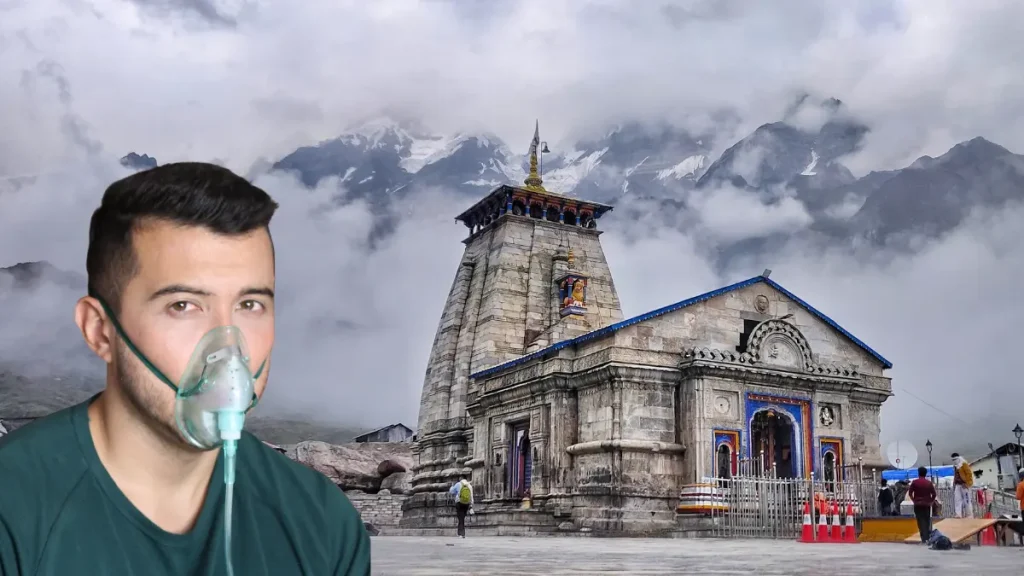
If you are planning the Kedarnath yatra, one simple thing to remember is the Oxygen Level in Kedarnath as the temple sits high. The air feels thin. Many pilgrims find breathing harder on the first day. That is normal. It does not mean the trip will be ruined. With small care — walking slow, drinking water, resting — most people manage fine. This guide is written in very plain words for you. No long science. No scary lines. Just clear tips, what signs to watch, and what to pack so your yatra stays calm and safe. You can have a splendid journey to Kedarnath with our Chardham Yatra by Helicopter or Do Dham Yatra by Helicopter.
What this blog is about
This blog breaks down oxygen levels in Kedarnath super simply. It’ll show you why breathing feels off up high and what to expect at the temple. You’ll get how low oxygen levels in Kedarnath hit your body and tips to prep before and during the trip. All so your yatra stays safe, chill, and comfy.
Why oxygen level matters for most pilgrims
Kedarnath sits way up high where the air has less oxygen than we’re used to. Even fit folks might feel tired or out of breath just walking around. First-timers often notice it quick and feel off. Getting the scoop on oxygen levels in Kedarnath helps you go slow, stay healthy, and skip the freak-outs on your trip.
What Less Oxygen Feels Like in Kedarnath
Kedarnath’s way up high where the air’s got less oxygen than down below. Even healthy people can feel wiped out or breathless from a short walk. Newbies hit it fast and feel weird. Knowing about oxygen levels in Kedarnath lets you take it slow, look after yourself, and stay calm on the journey.
When you reach Kedarnath, the air feels thin and light compared to home. Temple’s super high up, so oxygen levels in Kedarnath are lower. Your body works harder even for easy stuff like a quick walk or few stairs.
Common signs — what most pilgrims feel
- Shortness of breath on light activity
- Mild headache, poor sleep the first night
- Less appetite, feeling tired
- Dizziness or light-headedness
Warning signs — see a medic: severe breathlessness at rest, confusion, repeated vomiting, blue lips as These are serious. Do not ignore.
Simple things to do before you leave
Do these little steps. They help a lot with the Oxygen Level in Kedarnath effect:
- See your doctor if you have heart / lung problems.
- Walk daily for a few weeks. Climb stairs now and then.
- Pack warm clothes, a water bottle and a good pair of shoes.
- Carry your regular medicines as Keep them handy.
- If you want, bring a small pulse oximeter to check oxygen at rest.
On the trek — very practical tips
- Walk slow. Take short breaks. One step at a time.
- Drink water often. Dehydration makes things worse.
- Eat light meals, but eat regularly.
- Avoid alcohol and heavy food while gaining height.
- Keep warm at night. Cold tightens the chest feeling for some people.
- If you feel bad, stop and rest. Tell the guide or medic.
Where to find help on the route
During yatra season, medical tents and first-aid points are set up on the way and near the temple as They usually have oxygen cylinders and staff who know altitude problems. For very serious problems, helicopter evacuation is possible but depends on weather and crowd.
Don’t rely only on finding oxygen at the last minute. If you have serious illness, make a plan with your doctor and group leader.
Add Preparation Before the Trip
- See a doctor if you have heart/lung issues
- Do light walking daily before the yatra
- Pack a water bottle, warm clothes, snacks
- Carry a small oximeter
Short real-life examples
- Many pilgrims feel a small headache the first night and are fine after rest and water.
- Some older travellers take a very slow pace and do the yatra safely with a helper.
- A few ignore early signs and had to come down.
Lesson — listen to your body early.
Quick tips that actually help
- Start the yatra fresh — rest the day before travel if you can.
- Keep a steady breathing rhythm when you walk — slow breaths help.
- Share any worry with the medic or guide right away.
- Don’t show bravado. It’s not a race. Safety first.
Final note: The Oxygen Level in Kedarnath is a simple fact of mountain travel. It need not scare you. Plan a bit, walk slow, drink water, and ask for help when needed.
FAQs — short honest answers
Q: Will a healthy person need oxygen?
A: Most healthy people do not need extra oxygen as They may feel uneasy for a day or two and then improve with rest and water.
Q: How long to adjust?
A: Many feel better in one to three days. Move slowly and let the body adapt.
Q: Should elderly people skip the trip?
A: Not always. Many elders go with care and support. If health is unstable, ask a doctor first.
Q: Is oxygen available near the shrine?
A: Yes — during season, medical camps usually carry oxygen. Still, plan ahead for your health condition.
Q: Can I take medicine to prevent altitude sickness?
A: Some medicines help. But only a doctor should prescribe them. Don’t self-medicate.
Q: Will a healthy person need oxygen?
A: Nope, most fit people get by fine – your body sorts out Kedarnath’s lower oxygen levels in a day or two if you chill.
Q: How long does it take to adjust?
A: Give it 1-3 days – you’ll feel normal again as you get used to the thinner oxygen levels in Kedarnath.
Q: Can oxygen be found on the route?
A: Sure, medical camps have oxygen tanks ready along the way when oxygen levels in Kedarnath feel low.
Q: Should elderly people attempt the trek?
A: Many do if they take it slow – talk to a doctor first about Kedarnath’s oxygen levels up there.
Q: Are medicines needed?
A: Some like Diamox can help, but only if your doc says so for those oxygen levels in Kedarnath.