

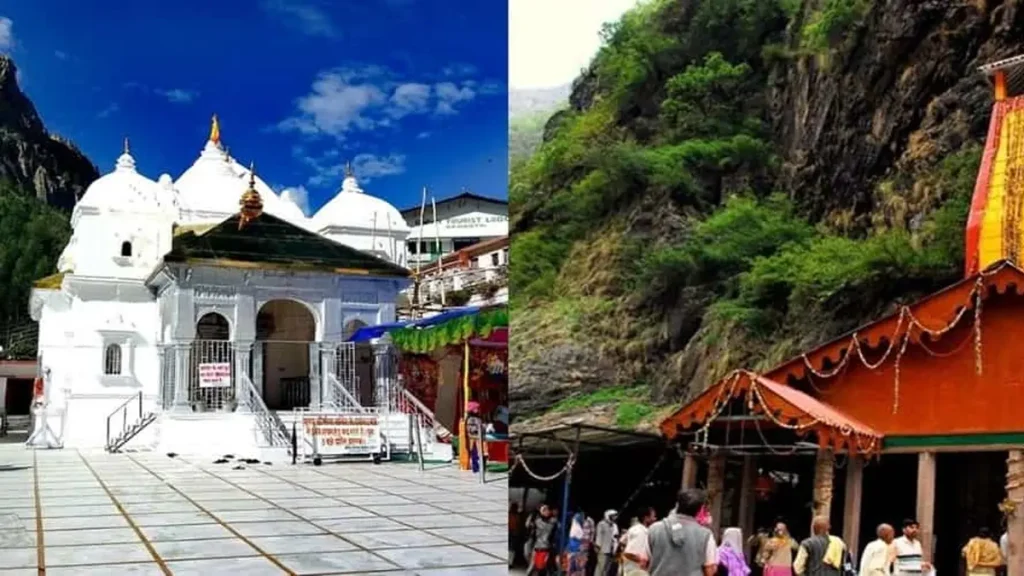
If you are planning the Char Dham Yatra and confused between Gangotri vs Yamunotri, this guide will help you choose the right temple based on distance, travel ease, weather, and overall experience. You can have a splendid journey with our Chardham Yatra by Helicopter.
Why People Compare Gangotri and Yamunotri
Most first-time pilgrims ask one simple question — Gangotri vs Yamunotri, which one is easier and better for me?
Both temples are sacred, peaceful, and part of the Char Dham Yatra, but the travel route, trekking effort, and experience are very different. Understanding these small differences helps you plan a smoother and stress-free journey.
Gangotri vs Yamunotri – Quick Comparison Table
Here is a simple side-by-side comparison to help you understand the key differences clearly:
| Topic | Gangotri | Yamunotri |
| River | Ganga (Bhagirathi) | Yamuna |
| Temple height (approx) | about three thousand two hundred metres | about three thousand two hundred ninety metres |
| Road end / trek | Motor road reaches village; Gaumukh trek from Gangotri for glacier. | Motor road ends at Janki Chatti; short steep walk to temple or from Hanuman Chatti. |
| Known for | Gangotri glacier, big river start | Hot spring (Surya Kund), black marble idol |
| Best months | May to October (main season). | Same season. Trek can be slippery in monsoon |
What is Gangotri?
When reached Gangotri the first thing I felt was silence. The temple sits beside the Bhagirathi. A little walk takes you to Gaumukh — the place where the Ganga begins. People softly pray, scoop holy water, and breathe the pure mountain air. Many travellers who have seen both say Gangotri feels quieter and more connected to nature.
What is Yamunotri?
Yamunotri is a temple place in the same mountain range. It is the start of the Yamuna river. The shrine has a black stone statue of the goddess Yamuna. Near the temple is a hot water spring called Surya Kund. People cook rice and sweet balls in the hot water as prasad. Yamunotri also is part of Char Dham.
Which Is Easier for Senior Citizens and Families?
For senior citizens and families with children, Gangotri is usually easier because the temple is accessible by road.
Yamunotri requires a 5–6 km uphill walk, which can be tiring for some pilgrims. However, ponies and palkis are available, making the journey manageable with proper planning.
Why compare Gangotri vs Yamunotri?
Both are sacred, high and draw many pilgrims but they feel different. Gangotri is known for ice and the large river path. Yamunotri is known for hot water and a short steep walk. This makes travel plans different.
Height and Setting — How They Differ
Gangotri vs Yamunotri also differ in height and setting. Gangotri sits high in the big hills. The temple is near trees and rocky slopes. It is around three thousand two hundred metres above sea level. Yamunotri is a bit higher. It sits near steep hills at around three thousand two hundred ninety metres. The air is thin. You will feel cold at night. These heights come from district and state sources. When people talk about Gangotri vs Yamunotri, the height difference is one small but interesting detail that shapes the journey.
How to Reach Gangotri and Yamunotri
Reach Gangotri
- Fly or take train to Dehradun or Rishikesh.
- Drive by road via Uttarkashi and Harsil. The road goes up to the town near the temple.
- From the temple you can walk to nearby spots like Bhojbasa and trek to Gaumukh if fit. Registration may be needed in season.
Reach Yamunotri
- Fly or take train to Dehradun or Rishikesh.
- Drive to Barkot, Hanuman Chatti or Janki Chatti. Motor road ends near Janki Chatti.
- From Janki Chatti you walk about five to six kilometres on a steep path to reach the temple. Ponies and palkis are available for hire.
Gangotri vs Yamunotri both are in Uttarakhand but the last part of the journey feels very different. Gangotri is easier by road while Yamunotri needs a walk uphill.
Best Time to Visit Gangotri and Yamunotri
The best time to visit both Gangotri and Yamunotri is between May and June and September to October.
During peak summer months, Yamunotri can feel more physically demanding due to the trek, while Gangotri remains comfortable for most travelers. Monsoon season should be avoided due to landslides and road closures.
Gangotri and Yamunotri Tour Packages – What You Can Expect
A well-planned Gangotri and Yamunotri tour package usually includes comfortable stays, ground transfers, local assistance, and darshan support.
For travelers with limited time or health concerns, helicopter packages offer a faster and more convenient way to complete the yatra without compromising on the spiritual experience.
How to Cover Gangotri and Yamunotri Without Travel Stress
Planning routes, hotels, permits, and local transport separately can be confusing, especially during peak Char Dham season.
Many pilgrims prefer guided tour packages or helicopter services to avoid long travel hours and physical exhaustion while ensuring timely darshan at both temples.
Rituals and What Pilgrims Do
Gangotri rituals
Pilgrims do aarti and take water from the Bhagirathi. People also visit nearby holy rocks tied to tales of King Bhagirath. Gangotri has a calm temple courtyard and priests who help with rites.
Yamunotri rituals
At Yamunotri many cook rice and sweets in the hot spring as prasad. People take the hot water in small pots and offer it. The priest gives darshan at the small temple. The walk and the hot spring make the visit feel special.
Crowd and Feel — Which is Busier?
Both get many visitors in season. Yamunotri has a tight, steep path and small temple space. It can feel busy fast. Gangotri is a short walk from the road and has more room near the river. In many years Yamunotri has had large footfall too. A recent report showed Yamunotri had busy days in a season. Check local news if you want fewer crowds. Many visitors who’ve seen Gangotri vs Yamunotri say Gangotri feels more open, while Yamunotri feels more personal.
Weather and Roads — Plan Smart
Monsoon rains can cause landslides. Roads to both shrines may close in bad weather. There have been times when the Gangotri road was closed after floods and fix work took weeks. Keep this in mind. Check local advisories before you travel.
Which is harder to reach?
Yamunotri needs a short steep walk from Janki Chatti. Gangotri is easier by road and needs longer trekking if you go to the glacier. So for simple road travel, Gangotri is easier. For a short, steep walk and hot springs, choose Yamunotri. Comparing Gangotri vs Yamunotri helps you match your fitness and comfort to the journey.
Which is more scenic?
Gangotri shows big ice fields and wide river valleys. The view of the glacier is striking. Yamunotri is rugged and green with hot steam at the spring. Both are very pretty. Pick what you want to see: ice and river source, or springs and mountain views.
Who Should Pick Which Dham?
- If you like cold and long treks and glacier views → pick Gangotri.
- If you prefer short steep walks and hot springs → pick Yamunotri.
- If you travel with elderly or small kids → Yamunotri can be tough on the steep path unless you hire a palanquin. Gangotri can be easier by road but glacier trek is hard.
- If you want less walking but holy water → both give river water; Gangotri is easier to reach by vehicle.
Practical Tips for the Journey
Gangotri vs Yamunotri both need planning.
- Carry warm clothes. Nights are cold.
- Wear good shoes for rocky paths.
- Carry medicines for motion sickness and altitude.
- Drink boiled or bottled water.
- Book stay in towns like Uttarkashi, Barkot, or Harsil.
- Hire ponies only from trusted people. Keep small money ready.
- Check road status and temple opening before you leave.
Safety Rules and Local Guidelines
- Carry ID and any registration slip if needed. Some places ask for tokens.
- Do not leave plastic or trash. The hills need care.
- Follow local police and forest staff instructions.
- Monsoon season can close roads. Listen to news and officials.
Final Comparison — Gangotri vs Yamunotri
Gangotri vs Yamunotri is not about which is holy. Both are holy. The real choice is about what kind of trip you want. If you want glacier and longer mountain trek, go to Gangotri. If you want a steep, short walk with hot spring and quick darshan, go to Yamunotri. Both need care, warm clothes, and check of road and weather. Use local help and respect the hills.
If you want a peaceful darshan experience without travel confusion, choosing a trusted Char Dham tour package can save time, energy, and unnecessary stress.
Explore guided and helicopter-based options to complete your yatra comfortably and safely.
Conclusion
Both places are gifts from the hills. They give calm and a sense of awe. Gangotri vs Yamunotri is a gentle choice about travel style. Pack simple, keep a warm heart, and listen to local advice. If you love rivers and ice, choose Gangotri. If you love steam and close-up hot springs, pick Yamunotri. Or visit both when you can. You can have a splendid journey with our Chardham Yatra by Helicopter.
Frequently Asked Questions – Gangotri vs Yamunotri
Q. Can I drive to the temples?
A: You can drive close. Yamunotri needs a short walk from road end. Gangotri has road access to the town near the temple. In Gangotri vs Yamunotri travel routes, this is a big difference.
Q. Is the trek to Gaumukh very long?
A: It is a long mountain trek. It takes careful steps and warm gear.
Q. Are ponies and palkis available?
A: Yes, both places offer pony and palki services at set points. These help many travellers, especially elders, during their Gangotri vs Yamunotri trip.
Q. Is Gangotri easier than Yamunotri?
Yes, Gangotri is generally easier because it does not require a long trek.
Q. Can I visit both Gangotri and Yamunotri in one trip?
Yes, both temples are part of the Char Dham Yatra and are commonly covered together with proper planning.
Q. Which temple is better for first-time Char Dham pilgrims?
Gangotri is often preferred by first-time pilgrims due to easier access and less physical strain.